
The Charleston Oyster Industry: From Tidal Creeks to Oyster Roasts
#oystermen #harvestingoysters #follybeach
The Charleston Oyster Industry: From Tidal Creeks to Oyster Roasts
Few foods are as deeply tied to Charleston as oysters. Long before they showed up on raw bars and restaurant menus, oysters were part of everyday coastal life — harvested by hand, shared at gatherings, and relied on as both food and habitat. Today, the Charleston oyster industry blends old-school practices with modern aquaculture, all shaped by the rhythms of the tide.
How Oysters Are Harvested Around Charleston
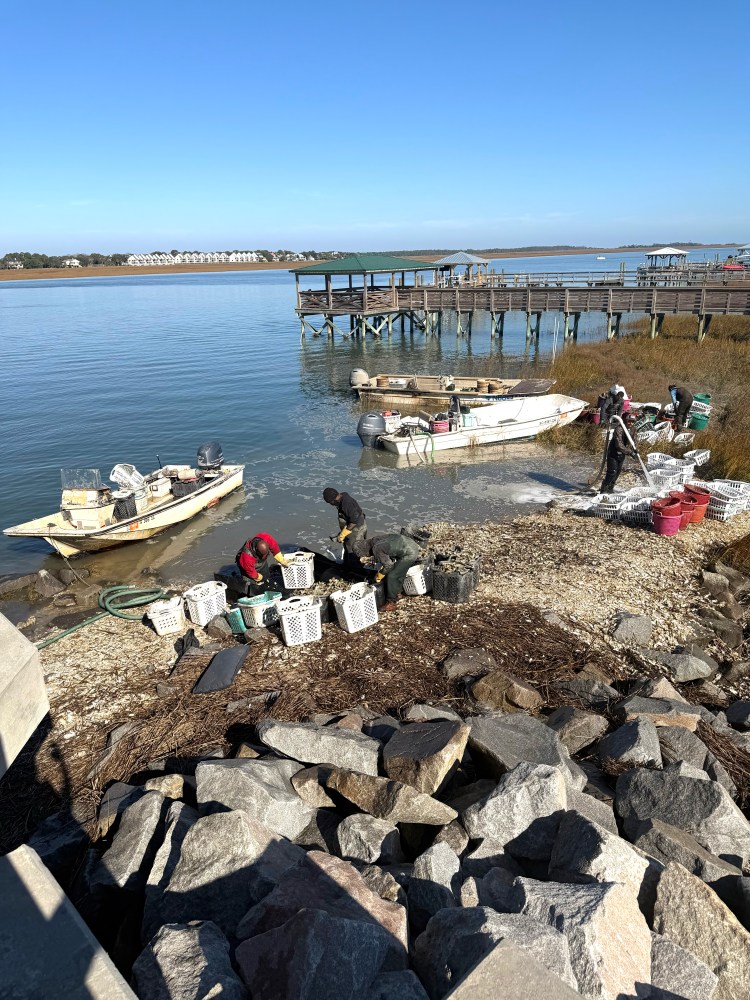
In the Charleston area, oysters are still harvested in a few different ways, depending on location and season. Traditional wild oysters are hand-picked from the shore, often during low tide when oyster beds are exposed along creeks and marsh edges. Harvesters wear boots, gloves, and carry simple tools — many still use laundry baskets to collect oysters, a method that’s practical, lightweight, and tide-tested.
Another common method is cage-raised aquaculture, where oysters are grown in floating or fixed cages in tidal waters. These oysters are regularly flipped and cleaned, producing deeper cups and cleaner shells. Cage-raised oysters have become increasingly popular with restaurants because of their consistency, appearance, and flavor profile.
After harvesting, oysters are typically cleaned using saltwater, often on a rising tide. This allows sand and debris to wash away naturally before the oysters head to market.
Best Months for Eating Oysters (and Why It Matters)
You’ve probably heard the old saying: only eat oysters in months with an “R.” In South Carolina, that rule still mostly applies.
Best oyster months:
- September through April
During warmer summer months, oysters are spawning, which affects both texture and flavor. Many wild beds are also closed during this time to protect oyster populations. Farm-raised oysters, however, are increasingly available year-round due to triploid breeding techniques that prevent spawning.
Pricing: What Does a Bushel of Oysters Cost?
Oyster prices vary by season, availability, and whether they’re wild or farm-raised.
- Wild oysters: often priced by the bushel and can range from $40–$70 per bushel
- Farm-raised oysters: typically sold by the piece or half-shell, often commanding higher prices due to quality and consistency
Prices fluctuate depending on weather, tides, and harvest limits — all factors closely monitored by the South Carolina Department of Natural Resources.
How DNR Protects Oyster Beds
South Carolina takes oyster conservation seriously. The South Carolina Department of Natural Resources (DNR) regulates:
- Harvest seasons
- Daily and weekly limits
- Approved harvesting areas
- Commercial and recreational licenses
Rotational harvesting areas help prevent overuse, allowing oyster reefs time to rebuild. These regulations aren’t just about oysters as food — they’re about preserving an ecosystem that protects shorelines and supports marine life.
Why Oysters Matter to the Ecosystem
Oysters are more than a delicacy — they’re ecosystem engineers.
A single oyster can filter up to 50 gallons of water per day, improving water clarity and quality. Oyster reefs also:
- Provide habitat for fish, crabs, and shrimp
- Stabilize shorelines and reduce erosion
- Protect marsh grass from wave energy
Healthy oyster beds mean healthier waterways, which benefits everything from dolphins to marsh birds along the South Carolina coast.
Oyster Roasts: A Lowcountry Tradition
No discussion of Charleston oysters is complete without mentioning the oyster roast. Whether it’s a backyard gathering, community fundraiser, or dockside party, oyster roasts are a social ritual here. Oysters are steamed over open fires, dumped onto tables, and eaten with simple tools, hot sauce, saltines, and cold drinks.
It’s messy, communal, and unapologetically Lowcountry — exactly how oysters are meant to be enjoyed.
Favorite Places to Eat Oysters in Charleston
Charleston has no shortage of great oyster spots, but here are five favorites, including our crew’s top pick:
- Cudaco – Flipper Finders staff favorite. Simple, fresh, and consistently excellent oysters.
- The Ordinary – Known for its raw bar and classic preparations.
- Leon’s Oyster Shop – Casual, local, and always solid. (Pairs well with their Fried Chicken & Hushpuppies)
- LoLo’s – An old-school setting with unbeatable marsh views.
- 167 Raw – A staple for seafood lovers looking for quality and creativity.
Spotlight: Perky C Cups & Local Oyster Farming
One standout local product is the Perky C Cups, raised by our good friend Oysterman Tom at Charleston Oyster Farm. These oysters are known for their deep cups, clean finish, and balanced salinity — a direct reflection of careful farming and tidal conditions.
Oyster farming like this represents the future of sustainable seafood in the Lowcountry, blending respect for tradition with responsible growth.
From Water to Table
Whether they’re hand-picked from the shore in laundry baskets or raised carefully in cages, Charleston oysters tell a story of tides, timing, and tradition. They connect the marsh to the table, the ecosystem to the economy, and locals to a way of life that hasn’t changed all that much — and hopefully never will.
Q: Can you eat oysters year-round in Charleston?
A: Traditionally, oysters are best in months with an “R,” though farm-raised oysters are available year-round.
Q: How are oysters cleaned after harvest?
A: Harvested oysters are often rinsed with saltwater on a rising tide to naturally remove sand and debris. (See Pic)
Q: Why are oysters important to the marsh?
A: Oysters filter water, protect shorelines, and provide habitat for marine life.